Categories
Health & Wellness Hearing Devices

Hearing Aids: Why Professional Fitting is Essential

Last Updated on 02/05/2025 by Admin

Personalising Hearing Solutions to Meet Individual Requirements

Optimising Sound Settings for Exceptional Hearing

Every individual’s experience with hearing loss varies greatly, emphasising the importance of professional fitting for hearing aids. Expert audiologists conduct thorough assessments to identify distinct patterns of hearing loss that are specific to each person. This focused approach results in personalised sound settings, enhancing both comfort and clarity. With the right professional support, users can expect a hearing aid experience tailored to their unique auditory needs, allowing them to enjoy sounds with increased clarity and pleasure.

For instance, an audiologist might adjust the frequency response of hearing aids based on the user’s audiogram, ensuring essential sounds like speech are amplified while minimising distracting background noise. These settings are adaptable and can be modified over time as the user’s hearing requirements evolve, ensuring ongoing satisfaction and efficacy. This degree of customisation greatly improves daily interactions, making conversations, laughter, and whispers notably clearer and more enjoyable for users.

Professional fitting allows users to explore various sound profiles tailored to specific environments, whether it’s a tranquil room, a lively café, or a bustling park. By meticulously adjusting these settings, professionals enable users to navigate their social interactions with newfound confidence and ease.

Comprehending Ear Anatomy for Enhanced Device Performance

The intricate shape and size of each individual’s ear significantly influence the effectiveness of hearing aids. This anatomical variation underlines the necessity of professional fitting. A properly fitted hearing aid not only improves sound transmission but also guarantees comfort and stability throughout the day. Audiologists possess the training to evaluate ear structures, enabling them to make precise modifications that accommodate diverse ear shapes, ensuring devices fit securely and comfortably within the ear.

Inadequately fitted hearing aids can lead to numerous issues, such as discomfort and ineffective sound amplification. Professionals employ advanced imaging and moulding techniques to create bespoke ear moulds that fit the user’s ear canal perfectly, preventing sound leakage and optimising the auditory experience. This meticulous attention to ear anatomy is especially important for individuals with unique ear shapes or those who may have undergone anatomical changes due to age or health conditions.

Ensuring a proper fit reduces the likelihood of irritation and potential ear infections that could result from improper device usage, highlighting the crucial role that expert fitting plays in the long-term success of hearing aids. This proactive approach allows users to fully enjoy their devices without compromising their ear health.

Customising Hearing Aids to Fit Lifestyles and Environments

Given the variety of lifestyles individuals lead, it is essential that their hearing aids reflect this diversity. Professionals play a pivotal role in adjusting hearing aids to align with users’ daily activities and environmental requirements, significantly enhancing their functionality. For example, someone working in a vibrant café will need different sound settings compared to someone who spends their time in a quiet office. Through a personalised fitting process, audiologists can expertly calibrate hearing aids to adapt to various settings, ensuring users can communicate clearly no matter the environment.

To illustrate, if a user frequently attends social gatherings, the audiologist may enhance the device’s capacity to filter out background noise, prioritising speech frequencies vital for conversation. Conversely, for users who spend extensive time outdoors, adjustments can be made to mitigate wind noise, leading to a more pleasant listening experience.

This adaptability not only increases the practical use of hearing aids but also enhances overall user satisfaction. The right adjustments enable individuals to fully engage in their lives, whether they are enjoying family gatherings, attending concerts, or simply having a peaceful evening at home.

Integrating User Preferences into Hearing Aid Design

Hearing aids are inherently not a one-size-fits-all solution. They must be tailored to suit each user’s unique preferences to ensure a rewarding auditory experience. The importance of professional fitting is evident as audiologists collaborate closely with users to understand their sound quality preferences, volume adjustments, and desired features within their devices. This collaborative approach significantly enhances user satisfaction, allowing hearing aids to function in harmony with personal tastes and lifestyle needs.

For instance, some users may prefer a more natural sound experience, while others might favour enhanced treble or bass tones. A professional fitting enables users to experiment with these settings in real-time, ensuring the resulting sound profile aligns with their expectations and feels comfortable. This careful attention to user preferences greatly influences how users perceive their hearing aids, impacting their willingness to wear them consistently.

Professionals can incorporate features like adaptive sound technology, which automatically adjusts to different auditory environments, catering to user preferences without requiring manual changes. This high level of personalisation fosters a strong connection between the user and their hearing aids, leading to increased satisfaction and a commitment to regular device use.

Continuous Support and Adjustments for Optimal Hearing

Hearing health is dynamic; as users experience changes in their hearing abilities, their hearing aids must adapt accordingly. This underscores the necessity of professional fitting, as ongoing adjustments and support are vital for maintaining peak hearing aid performance. Regular follow-up appointments with an audiologist ensure that the hearing aids continue to meet the user’s evolving needs, allowing for timely modifications based on their feedback and any shifts in their hearing condition.

As individuals age or face changes in their auditory health due to medical conditions, having a professional available for necessary adjustments guarantees that their devices remain effective. These modifications may include fine-tuning amplification levels, altering sound profiles, or updating software to enhance overall performance and user experience.

This continuous support fosters trust and builds a lasting relationship between the user and their audiologist. Users feel empowered knowing they have professional guidance to navigate their hearing journey, enhancing their ability to enjoy the sounds of laughter, music, and conversation without barriers.

Achieving Exceptional Hearing Aid Performance

Integrating Cutting-Edge Technology for Enhanced Auditory Experiences

Modern hearing aids incorporate state-of-the-art technology that can significantly enhance auditory experiences. effectively utilising these advancements requires professional expertise, underscoring the importance of professional fitting for hearing aids. Audiologists are well-versed in the latest features, including Bluetooth connectivity, smartphone integration, and noise-cancellation technology. Their extensive training enables them to optimise these innovations for maximum benefit.

For example, a professional can facilitate seamless connectivity between hearing aids and smartphones, allowing users to stream music, phone calls, and other audio directly into their devices. This capability can transform how users interact with their surroundings, providing a level of convenience that significantly enhances daily living. Audiologists also guide users on how to effectively utilise these features, ensuring they maximise the potential of their hearing aids.

Professionals can implement sophisticated noise reduction algorithms that filter out background sounds, making conversations clearer and more enjoyable. Each adjustment is customised to the individual user, ensuring they experience the full range of benefits offered by modern hearing aids. This technological integration not only elevates the auditory experience but also empowers users to remain connected in an increasingly digital world.

Prioritising Regular Maintenance and Adjustments

To ensure long-term success with hearing aids, regular maintenance and adjustments by professionals are crucial. The necessity for professional fitting extends beyond the initial setup; ongoing care is essential to guarantee that devices continue to perform optimally over time. Audiologists recommend routine check-ups to recalibrate settings, clean devices, and replace any components that may wear out.

For instance, regular maintenance may involve cleaning microphones and receivers to ensure that dust and earwax do not compromise sound quality. Audiologists provide valuable advice on how to care for hearing aids at home, guiding users on best practices for cleaning and storage. This proactive approach helps prevent potential issues, extending the lifespan of devices and minimising the likelihood of costly repairs or replacements.

As users undergo changes in their hearing health, professionals can make timely adjustments to accommodate these shifts, ensuring continued effectiveness. This ongoing relationship between users and audiologists fosters trust and confidence, empowering users to embrace their hearing aids as essential tools for enhancing their quality of life.

Resolving Technical Issues with Professional Support

Technical issues can arise unexpectedly, potentially disrupting the user experience. Having a professional audiologist available to troubleshoot these challenges is invaluable. The importance of professional fitting is evident in the expertise that professionals bring to diagnosing and resolving technical difficulties, ensuring users can enjoy their hearing aids without interruption.

For instance, if a hearing aid begins to emit distorted sounds or fails to connect to other devices, an audiologist can promptly identify the underlying cause and implement effective solutions. This may involve adjusting settings, replacing batteries, or repairing damaged components. Users benefit from quick resolutions, minimising downtime and ensuring they remain engaged with their environment.

Professionals educate users on common issues they might encounter, empowering them to conduct basic troubleshooting independently. This education fosters a deeper understanding of their devices, enhancing user confidence and encouraging consistent use.

Health and Safety in Hearing Aid Usage

Preventing Ear Damage Through Professional Fitting

Wearing hearing aids that are not professionally fitted can lead to serious health complications, including ear damage. This highlights the critical necessity for professional fitting for hearing aids. Audiologists ensure that devices are customised to individual ear shapes and sizes, preventing pressure points that can cause discomfort or injury.

An improper fit can lead to various issues, such as skin irritation, persistent itching, and even infections. Professionals conduct thorough examinations of the ear canal and surrounding structures to allow for precise adjustments that promote safe and effective usage. This meticulous attention to detail is particularly crucial for individuals with sensitive ears or pre-existing conditions.

Professional fittings also include education on safe hearing aid usage and maintenance. This guidance helps users understand the importance of routine cleaning and the necessity of removing devices during certain activities, such as swimming or showering. By addressing these factors, audiologists play an essential role in safeguarding users’ ear health, ensuring that their devices enhance their lives rather than detract from them.

Consistent Monitoring of Ear Health

Regular check-ups with a professional audiologist are fundamental for monitoring ear health, thus highlighting the need for professional fitting. Audiologists are trained to identify potential ear health issues that users may overlook, such as wax buildup or early signs of infection. Regular appointments allow for continuous assessments of ear health, ensuring that users can enjoy their hearing aids without complications.

For example, audiologists often conduct hearing tests during follow-up visits to monitor any changes in hearing ability over time. These evaluations help identify fluctuations that may necessitate adjustments to the hearing aids, guaranteeing that users receive optimal sound amplification based on their current auditory condition.

This proactive approach to ear health not only enhances the effectiveness of hearing aids but also aids in the early detection of potential health concerns, allowing for timely intervention. Users can trust that their audiologist is committed to their overall well-being, creating a supportive environment for managing their hearing health.

Addressing Related Health Conditions

Hearing loss often intersects with other health issues, making professional oversight crucial. The importance of professional fitting extends beyond optimal hearing, addressing any related health conditions that may impact hearing aid usage. Audiologists are trained to identify signs of disorders such as tinnitus, balance issues, and even cognitive decline, all of which can affect how users perceive sound.

For example, individuals experiencing tinnitus may require specialised adjustments to their hearing aids to manage their symptoms effectively. Audiologists can incorporate features that generate soothing sounds or white noise to help mitigate the perception of ringing in the ears, enhancing overall comfort and user satisfaction.

Professionals can facilitate referrals to other healthcare providers when necessary, ensuring that users receive comprehensive care for any related health issues. This holistic approach underscores the value of professional fitting, as it considers the user’s broader health landscape and ultimately enhances their quality of life.

Ensuring Consistent Maintenance of Hearing Aids

Routine maintenance is essential for the longevity and performance of hearing aids. Professionals are well-equipped to manage this maintenance, reinforcing the necessity for professional fitting. Regular cleaning, component inspections, and software updates are vital practices that audiologists undertake to keep devices functioning at their best.

During maintenance appointments, audiologists check for any signs of wear and tear, clean microphones and receivers, and replace batteries as needed. This diligent care prevents breakdowns and guarantees that users derive the full benefits of their hearing aids.

Professionals educate users on how to care for their devices at home, providing practical tips on cleaning, storage, and handling. This knowledge empowers users to take an active role in maintaining their hearing aids, fostering a sense of ownership and responsibility for their hearing health.

Educating Users on Safe Hearing Aid Practices

Education is integral to the successful use of hearing aids. Professionals offer guidance on safe usage practices, ensuring users comprehend how to operate their devices effectively and avoid potential pitfalls. The importance of professional fitting extends to educating users about safety measures that enhance their overall experience.

For instance, audiologists advise users on when to remove hearing aids, such as during swimming or engaging in activities that may expose the devices to moisture or physical strain. This knowledge helps prevent damage and ensures that users can enjoy their hearing aids worry-free.

Safety education encompasses tips for managing battery life, recognising signs of malfunction, and understanding when to seek professional assistance. By equipping users with this information, audiologists empower them to navigate their hearing journey confidently, fostering a positive relationship with their devices.

Maximising User Comfort with Hearing Aids

Reducing Feedback and Whistling Noises

One of the most frustrating aspects of wearing hearing aids can be the feedback and whistling noises that may occur. Professional fitting is crucial in minimising these disruptions, as audiologists possess the expertise to adjust settings that prevent feedback. By understanding sound acoustics within the ear, they can calibrate devices to effectively reduce these bothersome sounds.

By fine-tuning the gain and frequency response of hearing aids, professionals create a more seamless listening experience. This meticulous adjustment process allows users to enjoy their devices without the distraction of feedback, significantly enhancing overall comfort and satisfaction during use.

Audiologists can instruct users on proper insertion and wearing techniques, further decreasing the likelihood of feedback. When users feel assured that their devices will function optimally, they are more inclined to wear them consistently, enhancing their overall hearing experience and engagement with the world around them.

Achieving an Ideal Fit for Comfort

Comfort is paramount when it comes to using hearing aids. A professional fitting guarantees that devices are comfortable for extended wear, addressing common concerns like pressure points and irritation. Audiologists utilise precise measurements and adjustments based on user feedback to achieve a perfect fit.

Custom moulds can be created for users, ensuring a snug and secure fit that enhances both comfort and performance. This tailored approach not only elevates the wearer’s experience but also prevents common issues associated with ill-fitting devices, such as discomfort and diminished sound quality.

Individuals with unique ear shapes or sizes greatly benefit from professional fitting, as audiologists can modify devices to meet their specific needs. The result is a more enjoyable experience that encourages consistent use, ultimately leading to improved hearing outcomes and quality of life.

Utilising Custom Ear Moulds for Enhanced Fit

For many individuals, custom ear moulds provide the best solution for achieving a comfortable and effective fit with their hearing aids. Professionals can create these moulds based on individual ear anatomy, ensuring a personalised solution that enhances sound quality and comfort.

The process involves taking detailed impressions of the ear canal, which allows for the production of moulds that fit perfectly. These custom ear moulds help prevent sound leakage and improve noise isolation, ensuring users receive the full benefit of their hearing devices without distraction.

Custom moulds can be crafted from various materials to accommodate user preferences, including softer options for comfort or harder materials for durability. This level of personalisation transforms the hearing aid experience, enabling users to engage more fully with their environments without the discomfort of poor fit.

Enhancing Communication Skills Through Hearing Aids

Improving Speech Clarity and Understanding

Effective communication is vital for social engagement, and professionals play a key role in enhancing speech clarity through precise adjustments to hearing aids. By understanding the specific nuances of speech frequencies, audiologists can tailor devices to amplify critical sounds while minimising distracting background noise. This focus on speech clarity is a key reason for why professional fitting for hearing aids is essential.

Professionals evaluate the user’s unique hearing profile and adjust settings accordingly, ensuring that conversation partners are heard distinctly and clearly. This is particularly crucial in environments where background noise is prominent, such as restaurants or busy social events. The right adjustments can greatly enhance the user’s ability to engage in conversations, fostering deeper connections with others and improving overall communication effectiveness.

Audiologists can implement features such as speech enhancement algorithms that prioritise vocal sounds over ambient noise. This advanced technology further supports clear communication, allowing users to participate actively in discussions without undue strain or effort.

Incorporating Noise Reduction Features

In an increasingly noisy world, noise reduction features in hearing aids are invaluable. Professionals can optimise these settings based on the user’s lifestyle and preferences, significantly enhancing communication in noisy environments. The importance of professional fitting is evident as audiologists customise noise reduction features to cater to individual listening needs.

For example, in crowded areas, a professional may adjust settings to minimise background chatter while enhancing the clarity of speech. This thoughtful calibration allows users to focus on conversations without being overwhelmed by surrounding noise and distractions.

Audiologists can instruct users on how to activate and adjust these features, empowering them to effectively adapt their hearing aids to different environments. This level of customisation ensures that users can navigate various social situations with confidence and ease.

Fine-Tuning Directional Microphone Capabilities

Directional microphones are a powerful component of modern hearing aids, and professionals are instrumental in fine-tuning this feature for optimal performance. By adjusting the directional capabilities of hearing aids, audiologists can assist users in focusing on specific sounds, such as conversations, while minimising unwanted background noise.

For example, when attending a lecture or a meeting, directional microphones can be optimised to emphasise the speaker’s voice, thereby providing clearer sound quality. Such adjustments are crucial for enhancing the overall communication experience, ensuring that users can absorb information effectively and engage meaningfully.

Professionals can educate users on how to utilise their directional microphones in various settings, empowering them to take control of their hearing experience. This personalised approach enriches the user’s daily interactions, allowing for a more engaged and fulfilling social life.

Exploring Wireless Connectivity Options

The rise of wireless technology has transformed the way users interact with their hearing aids. Professionals play a critical role in facilitating these wireless connectivity options, which greatly enhance the overall communication experience. By integrating Bluetooth capabilities, audiologists enable users to connect their hearing aids to smartphones, televisions, and other devices, creating a seamless auditory experience.

This connectivity allows users to stream music, take phone calls, and participate in video conferences, all while benefiting from the amplification provided by their hearing aids. Audiologists guide users on how to utilise these features effectively, ensuring they can enjoy the full spectrum of audio experiences available to them.

Professionals can recommend compatible devices and applications that enhance the user experience, providing an additional layer of support. This integration of technology not only enriches daily life but also fosters a sense of empowerment, allowing users to stay connected in an increasingly fast-paced, digital world.

Ensuring Long-Term Cost Efficiency with Hearing Aids

Preventing Unnecessary Replacements Through Professional Fitting

Investing in hearing aids represents a significant financial commitment, and ensuring they are fitted professionally can save users money in the long run. The importance of professional fitting lies in its ability to minimise the need for frequent replacements. By receiving personalised adjustments, users can extend the lifespan of their devices, thus avoiding the costs associated with purchasing new hearing aids.

Proper fitting coupled with regular maintenance helps ensure that devices operate optimally, reducing the likelihood of malfunctions that may necessitate costly repairs or replacements. Audiologists educate users on best practices for care and usage, further prolonging device lifespan and enhancing cost-effectiveness.

By addressing issues early through routine check-ups, professionals can prevent minor problems from escalating into significant concerns. This proactive strategy not only bolsters user satisfaction but also contributes to long-term financial efficiency and peace of mind.

Maximising Warranty and Service Benefits

Many hearing aids include warranties and service packages that can significantly reduce overall costs. Professional fitting often comes with these benefits, underscoring the importance of professional fitting in securing long-term value. Users can enjoy peace of mind knowing their investment is protected against defects and malfunctions.

Audiologists explain the terms of warranties and service packages during the fitting process, ensuring users understand their rights and responsibilities. This knowledge empowers individuals to fully capitalise on the services available to them, maximising the lifespan and functionality of their hearing aids.

Users who cultivate a professional relationship with their audiologist can benefit from expedited service and support, making it easier to access repairs or adjustments as needed. This level of service not only enhances user satisfaction but also reinforces the value of professional fitting in the overall hearing aid journey.

Enhancing Device Lifespan Through Professional Care

The longevity of hearing aids is directly related to how well they are fitted and maintained. Professional fitting is crucial in maximising device lifespan, as audiologists ensure that users receive appropriate adjustments and ongoing support. When hearing aids are customised to individual needs, they are less likely to experience wear and tear that could lead to premature replacement.

Regular check-ups and maintenance appointments are essential for keeping devices in peak condition. Audiologists provide guidance on caring for hearing aids, including cleaning practices and battery management, which contribute to a longer lifespan.

Understanding how to operate devices effectively plays a crucial role in maintaining their functionality. Professionals empower users with knowledge and skills that enhance both their experience and the longevity of their hearing aids, ultimately leading to improved long-term cost efficiency.

Providing Psychological and Emotional Support for Users

Addressing User Concerns and Building Confidence

Wearing hearing aids can elicit a range of emotions, from frustration to anxiety. Having a professional audiologist available to address these concerns is vital. The importance of professional fitting extends beyond technical adjustments; it encompasses emotional support that fosters confidence and acceptance of hearing aids.

Professionals provide reassurance and understanding, helping users navigate their feelings surrounding device use. By actively listening to their concerns and offering practical solutions, audiologists create a safe space for users to express their emotions and challenges.

Addressing concerns about appearance and social stigma is crucial for building confidence. Professionals can assist users in selecting styles and colours that align with their preferences, ensuring they feel comfortable and empowered while wearing their devices. This emotional support enhances the overall user experience, fostering a positive relationship with hearing aids.

Encouraging Consistent Use of Hearing Aids

The support provided by professionals is paramount in encouraging consistent use of hearing aids. Users who feel understood and supported are more likely to wear their devices regularly, enhancing their overall auditory experience. The importance of professional fitting becomes apparent as professionals aid users in integrating hearing aids into their daily routines.

Audiologists can offer strategies and tips for overcoming challenges associated with hearing aid use, such as discomfort or social anxiety. By addressing these barriers, professionals empower users to embrace their devices, fostering a sense of independence and confidence in their auditory capabilities.

Ongoing support and follow-up appointments reinforce the importance of consistent usage. Users are reminded of the myriad benefits of wearing their hearing aids regularly, contributing to a more fulfilling auditory experience. This supportive framework enhances overall satisfaction, encouraging individuals to engage fully in their lives.

Frequently Asked Questions

What is the significance of professional fitting for hearing aids?

Professional fitting ensures that hearing aids are customised to an individual’s specific hearing loss, ear structure, and lifestyle, maximising their performance and comfort throughout daily use.

How frequently should I visit an audiologist after acquiring hearing aids?

Regular check-ups are recommended at least once a year, but more frequent visits may be necessary if you notice any changes in your hearing or if your hearing aids require adjustments.

Can I independently adjust my hearing aids?

While some hearing aids have user-controlled settings, it’s best to consult an audiologist for significant adjustments to ensure optimal performance and comfort tailored to your specific needs.

What can I expect during a professional fitting appointment?

During a fitting appointment, an audiologist will assess your hearing, take ear impressions, and adjust the settings of your hearing aids to ensure a comfortable and effective fit tailored to your needs.

How can I maintain my hearing aids at home effectively?

Regularly clean your hearing aids, avoid exposing them to moisture, store them properly, and replace batteries as necessary. Your audiologist will provide specific care instructions tailored to your devices.

What should I do if my hearing aids are not functioning properly?

If your hearing aids are not performing as expected, schedule an appointment with your audiologist to troubleshoot the issue and make necessary adjustments to restore functionality.

Are there various styles of hearing aids available?

Yes, hearing aids come in a variety of styles, including behind-the-ear, in-the-ear, and completely-in-canal models. Your audiologist can assist you in selecting the best style based on your preferences and needs.

Can I wear hearing aids while sleeping or exercising?

It’s generally recommended to remove hearing aids while sleeping or during vigorous exercise. Consult your audiologist for specific advice based on your lifestyle and activity levels.

Will wearing hearing aids improve my quality of life?

Yes, wearing hearing aids can significantly enhance communication abilities, social interactions, and overall quality of life by improving auditory experiences and connections with others.

What should I do if I experience discomfort with my hearing aids?

If you encounter discomfort, contact your audiologist promptly for adjustments or troubleshooting. Proper fitting is crucial to ensuring your hearing aids are comfortable and effective for daily use.

Explore our journey on X!

The post Hearing Aids: The Essential Need for Professional Fitting appeared first on The Microsuction Ear Wax Removal Network.

Originally posted 2025-05-03 03:13:11.

The post Hearing Aids: Why Professional Fitting is Essential appeared first on Healthcare Marketing Service.
Categories
Health & Wellness Hearing Devices

Top 5 Hearing Aids by Feature – Bluetooth, AuraCast, and More

Last Updated on 15/05/2026 by Dane Lozano

The best hearing aids in the UK for 2026 are no longer just about sound amplification. The biggest differences now come down to battery life, Bluetooth streaming quality, how invisible the design is, and whether the devices are Auracast-ready for next-generation public audio streaming. Brands like Signia, Rexton, Widex, Oticon, and Starkey are leading the market with premium rechargeable and AI-powered models. Recent UK audiology reviews especially highlight the rise of Auracast-compatible devices and discreet rechargeable in-ear designs.

1. Best Overall

– Signia Pure Charge&Go IX

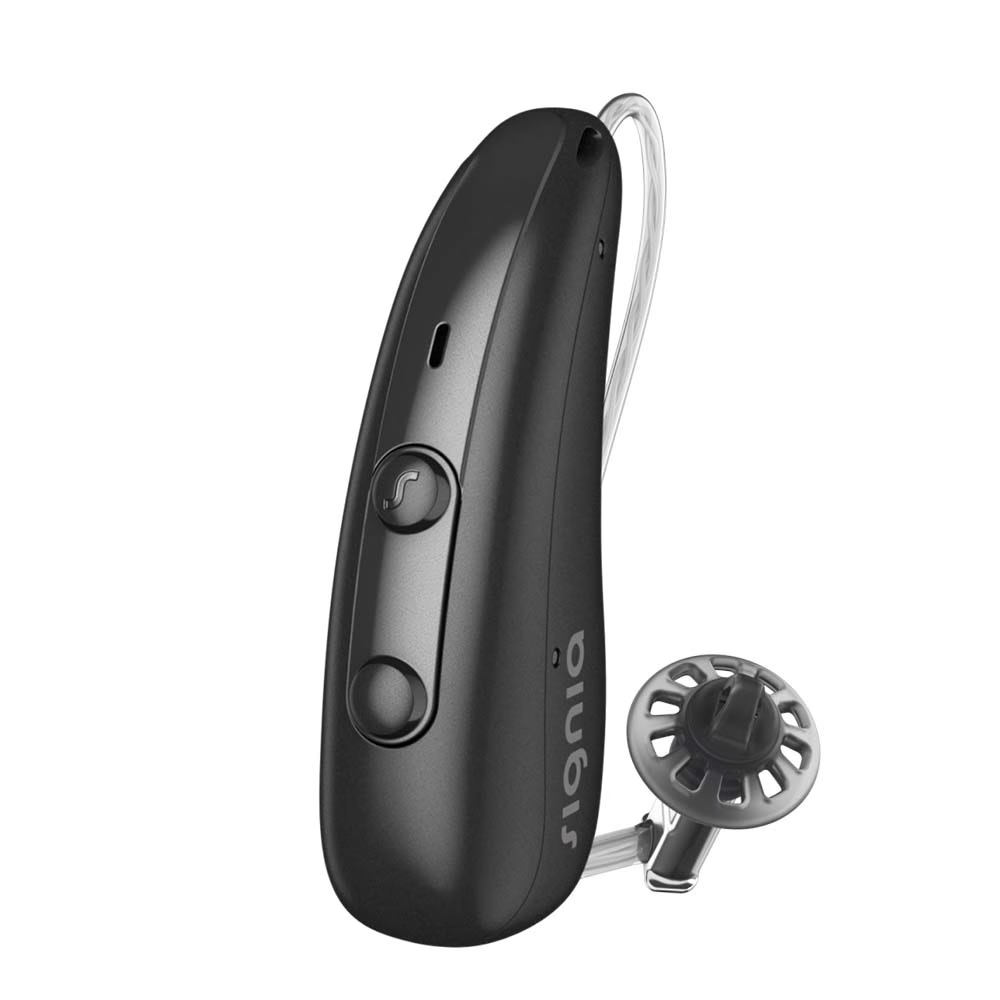
The Signia IX platform is arguably the most balanced premium option in the UK right now. It combines excellent speech-in-noise performance, strong Bluetooth streaming, long battery life, and some of the best app controls available. The Integrated Xperience platform is especially good for people who move between conversations frequently.

2. Best Invisible Hearing Aid

– Signia Silk IX Charge&Go

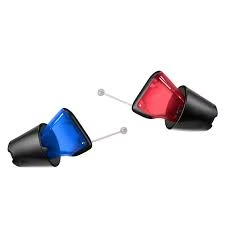
One of the smallest rechargeable in-ear hearing aids with Bluetooth-ready technology and discreet fit.

This is one of the few truly discreet rechargeable CIC-style hearing aids available in the UK. It is designed for users wanting nearly invisible hearing support without sacrificing modern streaming and rechargeability.

3. Best for Natural Sound

– Widex Allure 440

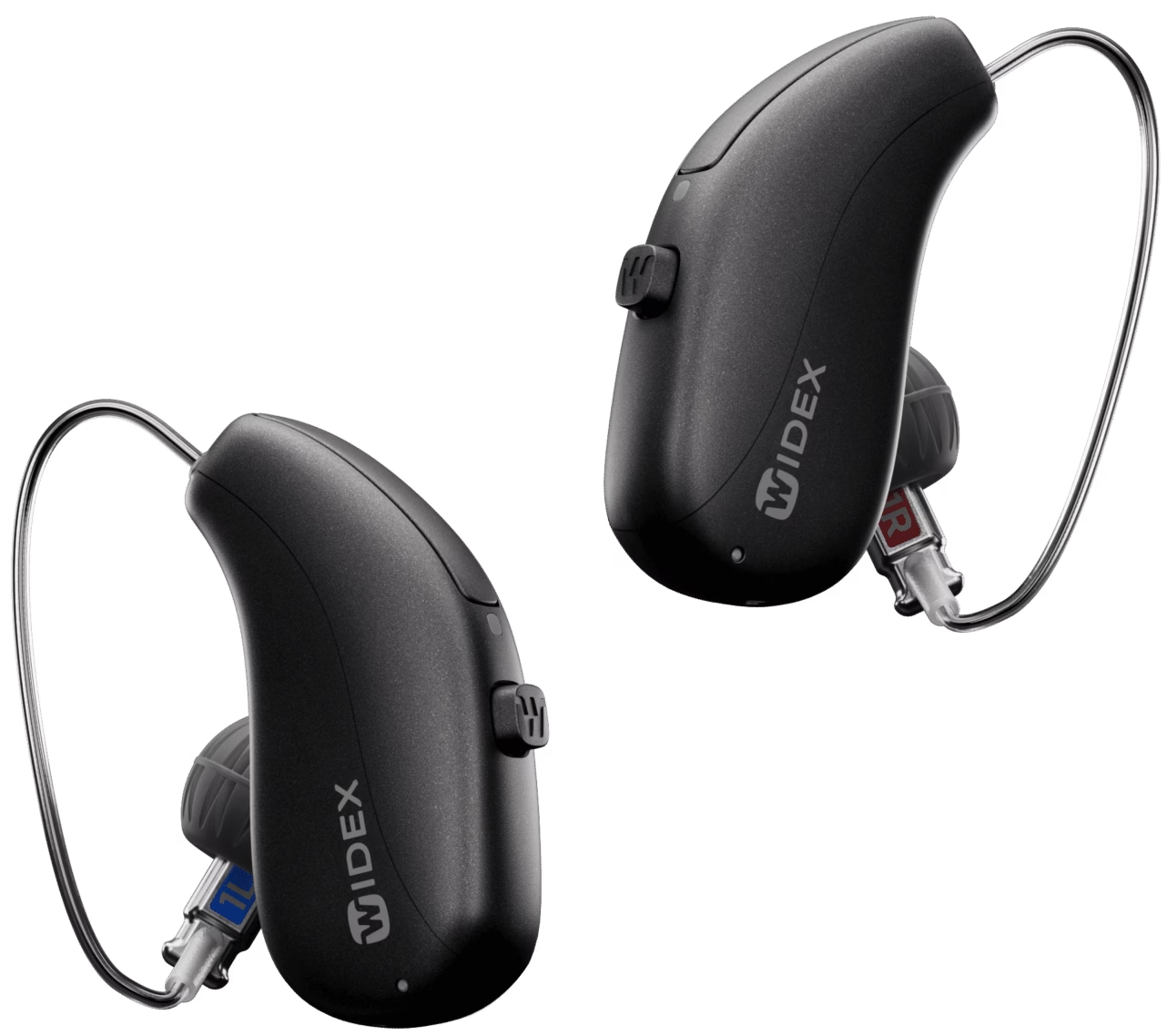
Premium rechargeable hearing aid known for exceptionally natural sound and low processing delay.

Widex continues to dominate among music lovers and users sensitive to artificial sound processing. The SmartRIC redesign also improves microphone positioning and battery efficiency.

4. Best for Auracast

– Starkey Omega AI 24

The Omega AI 24 is Starkey’s top-tier hearing aid technology. It includes exclusive DNN 360 directionality for the best speech understanding in noisy environments, advanced spatial awareness, and the highest level of automatic sound optimisation. This model is ideal for active users who regularly spend time in restaurants, social gatherings, meetings, or busy public places

5. Best for Brain-Led AI Processing

– Oticon Intent 1

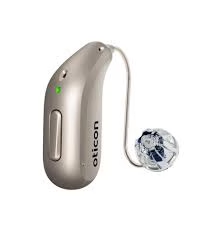
Oticon Intent is one of the smartest hearing aids available, using 4D sensors that react to movement, listening intent, and conversation dynamics in real time. UK reviewers consistently rank it among the best premium hearing aids of 2026.

Signia Pure Charge and Go IX Signia Silk Charge & Go IX Widex Allure RIC 440 Starkey Omega AI 24 Oticon Intent 1
Style RIC (Receiver-in-Canal) CIC / Invisible-in-ear RIC Custom rechargeable miniRITE
Rechargeable Yes Yes Yes Yes Yes
Bluetooth Streaming Excellent Limited vs RIC models Excellent Excellent Excellent
Auracast / LE Audio LE Audio-ready Limited future support Expected future support Strong early support LE Audio capable
Best Strength Group conversations Discreet design Natural sound quality AI + smart features Adaptive listening
Speech in Noise Excellent Very good Good–Very Good Excellent Excellent
Music Quality Very Good Good Excellent Very Good Very Good
Visibility Low-profile Nearly invisible Moderate Invisible/custom Moderate
Battery Life Up to full day+ Full day Full day Excellent Excellent
App Experience Excellent Signia app Signia app Widex app Starkey app with wellness tools Oticon Companion
Best For Busy social environments Users wanting invisible aids Music lovers & natural sound Tech-focused users Dynamic listening environments
Hearing Loss Range Mild–Profound Mild–Moderate Mild–Profound Mild–Severe Mild–Profound
Key Differentiator RealTime Conversation Enhancement Smallest rechargeable Signia style Widex PureSound processing AI health + environmental features 4D user-intent sensors

The best overall balance for most UK users is probably the Signia Pure Charge&Go IX if speech clarity in restaurants, meetings, and group settings is the top priority. The Widex Allure 440 stands out for music and natural sound reproduction, while the Signia Silk IX is ideal if cosmetic invisibility matters most. Starkey Omega AI 24 is strongest for users wanting AI-driven wellness and future-facing connectivity, and Oticon Intent 1 excels in adaptive environmental processing using motion and conversation sensors.

The post Top 5 Hearing Aids by Feature – Bluetooth, AuraCast, and More appeared first on The Microsuction Ear Wax Removal Network.

Categories
Health & Wellness Hearing Devices

Hearing Aids: Key Differences Between Analog and Digital

Comprehending Sound Processing Techniques in Hearing Aids

Fundamentals of Analog Sound Processing

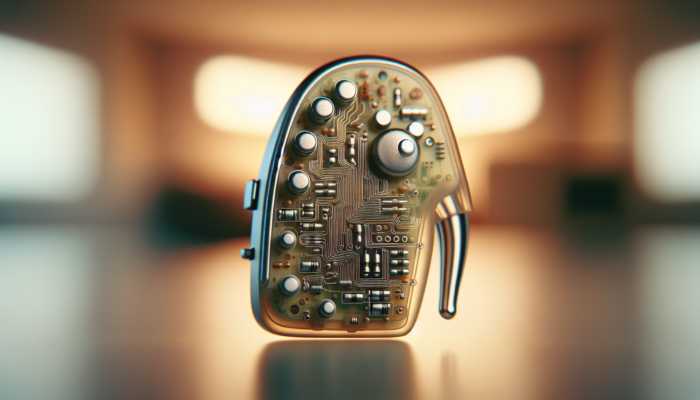
Close-up of analog hearing aid with visible circuitry, set against a quiet room background.

Analog hearing aids function by amplifying sound directly, making them a vital resource for individuals aiming to improve their auditory experience. These devices primarily focus on volume control, but they do not considerably enhance the clarity of sounds. This straightforward mechanism can be particularly advantageous for those with mild hearing loss who may not need the sophisticated features available in contemporary devices. Having been utilised for decades, analog aids provide a dependable solution for users wanting to amplify environmental sounds effectively. They offer uniform amplification across all sounds within an environment, which can be especially useful in quieter locations. Despite their limitations regarding sound clarity and noise management, their affordability and simplicity of use make them a popular choice among many users.

Users of analog aids often appreciate the familiar and uncomplicated design of these devices. Many report high levels of satisfaction due to their cost-effectiveness and ease of operation. users may face challenges in more complex auditory environments, such as bustling restaurants or lively social gatherings, where background noise can easily overshadow amplified sounds. The lack of advanced sound processing features can result in frustration and a suboptimal auditory experience, underscoring the importance of understanding the inherent limitations of analog technology in varied listening scenarios.

Transforming Hearing Capabilities with Digital Sound Processing

Digital hearing aids have revolutionised the hearing aid landscape by converting sound waves into digital signals. This sophisticated processing enables precise adjustments in both clarity and volume, effectively addressing the unique hearing needs of each user. By employing advanced algorithms, digital aids can differentiate between speech sounds and background noise, significantly enriching the listening experience. This capability is particularly valuable in challenging auditory settings, allowing users to engage in conversations without straining to distinguish between sounds.

One outstanding feature of digital hearing aids is their ability to process sound in real-time. Users can immerse themselves in a rich auditory environment that is both clear and comfortable. Advanced digital models can even evaluate their surroundings to automatically adjust settings based on the acoustic characteristics of the environment. This level of sophistication is essential for individuals with moderate to severe hearing loss, enabling them to enjoy a more natural sound quality that enhances social interactions and reduces auditory strain.

Comparing Sound Quality: Analog vs. Digital Hearing Aids

The difference in sound quality between analog and digital hearing aids is striking. Digital aids typically provide superior sound quality along with enhanced noise reduction capabilities. Users of digital devices frequently report a more natural auditory experience, with the ability to filter out unwanted noise while focusing on desired sounds, such as conversations. This selective amplification can lead to higher satisfaction levels and improved communication during various social interactions.

Conversely, analog aids amplify all sounds uniformly, which can make it challenging for users to discern speech amidst background noise. For instance, an individual using an analog hearing aid in a crowded café may struggle to engage in conversation due to the overwhelming noise from chatter and clattering dishes. Digital aids’ ability to selectively amplify specific frequencies allows for clearer sound distinctions, proving invaluable in everyday communication. With the ongoing evolution of digital technology, sound processing capabilities are advancing, ensuring users receive the best possible auditory experiences.

Investigating Customisation Options in Hearing Aids

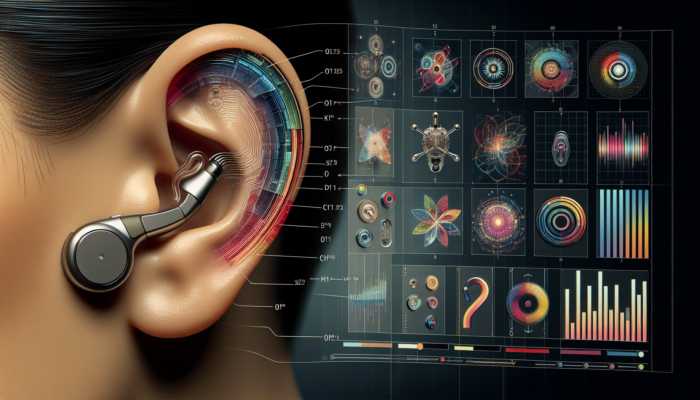
A close-up of an ear with a modern hearing aid, surrounded by colorful design options in a futuristic setting.

Analog Hearing Aids: Limited Customisation Possibilities

Customisation options for analog hearing aids are relatively sparse. Users typically have the capability to manually adjust the volume, which may satisfy basic hearing requirements but lacks fine-tuning capabilities. This simplicity can attract users who prefer a straightforward experience without technical complications. the absence of customisation options can lead to discomfort in varying environments, as users might find it difficult to adapt their devices to differing sound levels and qualities they encounter throughout the day.

For individuals with specific patterns of hearing loss, such as high-frequency loss, the inability to adjust sound frequencies can be a significant drawback. Analog aids usually do not offer the advanced programming options that digital aids provide. Users may find themselves modifying their listening environment instead of their devices, which can detract from their overall experience. As a result, individuals facing more complex hearing challenges may find that exploring digital options with tailored settings can greatly enhance their auditory experience.

Enhancing Personalisation with Digital Customisation

Digital hearing aids come equipped with extensive customisation features, allowing users to create personalised listening preferences that align with their unique hearing profiles. These devices can be programmed with specific settings tailored for various environments, including quiet rooms, busy streets, or crowded gatherings. Users can access these custom settings through specialised software, giving them the flexibility to adjust their hearing aids to suit their daily activities and specific auditory challenges.

The customisation tools available for digital aids significantly enhance user comfort and overall satisfaction. By tailoring the audio experience to meet individual needs, users can enjoy a more natural sound environment that encourages effortless navigation through different auditory challenges. This personalised approach not only fosters more engaging and fulfilling social interactions but also improves overall quality of life. many digital aids now feature smartphone connectivity, allowing users to make real-time adjustments, thus enhancing their auditory experience.

Improving User Experience Through Customisation

Person adjusting modern digital hearing aid, surrounded by city street and quiet library, symbolising customisation and control.

The capability to customise digital hearing aids is crucial in enhancing the user experience. Many users report that being able to adjust settings according to their surroundings leads to increased comfort and satisfaction. This level of personalisation empowers users, allowing them to feel more in control of their hearing, which alleviates the stress often associated with navigating various listening environments. The freedom to adapt their hearing aids to suit different scenarios allows users to engage more fully in conversations and activities.

The precision offered by digital aids can foster greater confidence in social settings, where hearing challenges are prevalent. Users can participate in discussions without the constant worry of missing critical details. This enhanced comfort not only improves their auditory experience but also positively impacts their overall well-being. The emphasis on personalisation serves as a significant advantage of digital hearing aids, contributing to a more enjoyable and fulfilling life for individuals with hearing loss.

Advanced Customisation Tools and Software for Hearing Aids

A variety of software tools are available for digital hearing aids, enabling users to make precise adjustments that align with their specific hearing requirements. These tools allow both audiologists and users to programme hearing aids based on individual preferences and types of hearing loss. Software enhancements can include frequency adjustments, noise reduction settings, and specific amplification levels tailored to the user’s environment, ensuring optimal auditory performance.

Modern digital hearing aids often feature companion apps for smartphones, allowing users to control their devices remotely. They can easily adjust volume levels or switch between settings through these apps. Such convenience not only simplifies the process of adapting to different environments but also fosters greater engagement with their hearing aids. With the integration of advanced technology, the customisation process has become increasingly user-friendly, ensuring that individuals can optimise their hearing experience to fit their lifestyles effectively.

Examining Technology and Features in Hearing Aids

Understanding Analog Technology in Hearing Aids

Analog hearing aids operate on simpler technological platforms, which, while effective for a broad range of users, often lack the advanced features that characterise modern hearing aids. Their primary function is to amplify sound, making them a cost-effective option for individuals facing mild to moderate hearing loss. this simplicity comes at the expense of additional features that significantly enhance the listening experience, including Bluetooth connectivity and sophisticated sound processing algorithms.

The straightforward nature of analog technology may appeal to users who favour minimal fuss and ease of use. These devices do not necessitate complex programming or intricate adjustments, which can be a considerable advantage for older individuals or those who prefer a traditional approach to hearing assistance. the trade-off is that users may miss out on the benefits provided by more advanced hearing technologies, particularly in complex auditory environments. As the demand for feature-rich options increases, many individuals are opting for digital aids to take advantage of the latest advancements in hearing technology.

Leveraging Digital Technology in Hearing Aids

Digital hearing aids represent a significant advancement in auditory technology, featuring functionalities that greatly enhance the user experience. These devices employ digital signal processing to deliver clearer sound quality, effective noise reduction, and feedback management. many digital aids now offer Bluetooth connectivity, enabling users to stream audio directly from their smartphones or other devices, which is particularly beneficial for those who enjoy listening to music or participating in phone calls.

The incorporation of directional microphones within digital aids allows users to focus on sounds originating from specific directions while minimising background noise. This feature is especially advantageous in crowded environments, such as busy restaurants or public transport, where distinguishing speech from surrounding noise can be challenging. The continuous evolution of digital hearing aids ensures that users can expect ongoing improvements in features and functionalities, keeping them at the forefront of hearing technology.

Anticipating Future Trends in Hearing Aid Technology

The future of hearing aid technology is promising, with digital devices anticipated to evolve further through ongoing research and development efforts. Emerging technologies, including artificial intelligence and machine learning, are set to revolutionise the hearing aid experience, potentially leading to even more personalised listening experiences where devices learn users’ preferences and automatically adjust settings based on their environments.

The integration of telehealth services within hearing care represents another exciting trend on the horizon. Remote programming and adjustments can enable audiologists to fine-tune settings from a distance, providing users with enhanced convenience and accessibility. As digital hearing aids continue to adapt to the evolving needs of users, they are likely to become increasingly sophisticated, ensuring that individuals with hearing loss enjoy the best auditory experience possible.

Understanding Maintenance and Durability in Hearing Aids

Maintenance Needs for Analog Hearing Aids

In terms of maintenance, analog hearing aids generally require less technical upkeep compared to their digital counterparts. Users often find that they need to make occasional volume adjustments, but overall, the simplicity of their technology means fewer components to manage. This straightforwardness can be appealing for users seeking a device that is easy to maintain without the necessity for regular software updates.

While analog aids may demand less technical maintenance, they often require more frequent adjustments to ensure optimal performance. Users might need to visit audiologists for fine-tuning or repairs, as wear and tear can affect amplification quality over time. the durability of analog aids tends to be lower than that of digital aids, as the technology does not benefit from the more robust materials and design enhancements seen in newer models.

Maintenance Considerations for Digital Hearing Aids

Digital hearing aids, while generally more durable, require regular software updates and maintenance to function optimally. This includes periodic checks and adjustments performed by audiologists to refine settings and ensure the technology operates efficiently. The advanced features of digital devices, such as noise reduction and feedback cancellation, may also necessitate updates to maintain their peak performance.

Despite the need for more frequent technical maintenance, many users find that the advantages of digital aids far outweigh the upkeep demands. Their increased reliability and longevity often make them a worthwhile investment. with proper care and routine check-ups, digital hearing aids can provide users with years of enhanced hearing experiences, proving to be a durable choice for those experiencing hearing loss.

Evaluating the Cost of Hearing Aid Maintenance

The cost of maintenance for hearing aids can vary significantly between analog and digital devices. Analog aids typically have lower initial costs and minimal ongoing expenses, making them an attractive option for budget-conscious individuals. the frequent adjustments required may ultimately lead to increased long-term costs, as users will need to make regular visits to audiologists for maintenance and fine-tuning.

Conversely, digital hearing aids generally feature higher initial prices and may involve more considerable ongoing costs due to software updates and potential repairs. Nevertheless, the advanced features and benefits they offer often justify the investment for users facing more complex hearing challenges. When considering the cost of maintenance, individuals must weigh both the financial implications and the overall improvements in quality of life that hearing aids can provide.

Assessing Power and Battery Life in Hearing Aids

Power Consumption in Analog Hearing Aids

Analog hearing aids typically consume less power than digital models, resulting in extended battery life. This energy efficiency can be particularly advantageous for users who prefer to avoid the hassle associated with frequent battery replacements. The straightforward operation of analog devices allows users to rely on them for longer periods before needing to change batteries, enhancing the overall user experience.

While the extended battery life is a significant advantage, it is essential to recognise that the sound processing capabilities of analog aids are limited. Users may find themselves sacrificing sound quality and advanced features in favour of longevity. This trade-off highlights the importance of understanding personal hearing needs and how they align with available technology choices.

Power Usage in Digital Hearing Aids

Digital hearing aids typically consume more power due to their advanced processing capabilities and features. As a result, users may have to change batteries more frequently compared to analog aids. Although this increased power consumption may be perceived as a drawback, many digital hearing aids now incorporate rechargeable batteries, providing a convenient solution that eliminates the need for regular battery changes.

The shift towards rechargeable technology not only addresses the power consumption issue but also enhances user convenience. Many users appreciate the ability to charge their hearing aids overnight, ensuring they are ready for the day ahead. Overall, advancements in battery technology are consistently improving the power efficiency of digital devices, helping to alleviate concerns related to battery life.

Innovations in Battery Technology for Hearing Aids

Battery technology is undergoing significant evolution, with improvements expected to benefit both analog and digital hearing aids. New developments in battery efficiency and longevity are set to enhance the overall performance of hearing aids, allowing users to enjoy longer durations of use without the need for frequent replacements. These advancements will cater to the growing demand for more reliable and user-friendly hearing solutions.

Innovations such as lithium-ion batteries are becoming increasingly common in digital aids, offering users greater convenience and efficiency. The trend towards rechargeable options is likely to shape the future of hearing aids, allowing for fewer concerns regarding battery changes and enhancing the overall user experience. As technology continues to advance, the benefits of improved battery technology will play a critical role in defining the next generation of hearing aids.

Accessibility and Affordability of Hearing Aids

The Cost-Effectiveness of Analog Hearing Aids

Analog hearing aids are often more affordable and widely available, making them suitable for individuals with basic hearing needs. Their lower price point makes them an attractive option for those who may not have the financial resources to invest in more technologically advanced devices. This accessibility allows individuals from various economic backgrounds to obtain the hearing assistance they require without incurring significant expenses.

While analog aids serve as a budget-friendly solution, their limited features may not adequately meet the needs of users with more complex hearing loss. Individuals requiring advanced functionality may ultimately find greater benefit in investing in digital aids, despite the higher initial costs. The affordability of analog devices underscores the importance of evaluating personal hearing needs against long-term benefits versus upfront expenses.

Digital Hearing Aids: Accessibility and Investment

While digital hearing aids typically come with a higher price tag, they offer advanced features that are crucial for managing complex hearing loss. Their ability to deliver superior sound quality, effective noise reduction, and extensive customisation options can significantly enhance the lives of users with moderate to severe hearing challenges. Investing in digital aids can lead to improved social interactions and overall quality of life for many individuals.

Despite their higher costs, numerous manufacturers and organisations provide financing options and assistance programmes to facilitate access to the technology individuals need. as technology continues to evolve, the prices of digital aids may decrease, making them more accessible to a broader population. This shift towards affordability in digital hearing aids is essential for ensuring that everyone has the opportunity to experience enhanced hearing capabilities.

Financial Considerations When Choosing Hearing Aids

Choosing between analog and digital hearing aids often depends on budget considerations and the severity of hearing loss. Individuals with mild hearing loss may find analog aids sufficient for their needs, while those facing more complex challenges might benefit significantly from the advanced features offered by digital aids, justifying the higher investment. Users must carefully assess their financial situations in relation to their hearing requirements to make an informed choice.

It is crucial to consider the ongoing costs associated with hearing aids, such as maintenance, battery replacements, and necessary adjustments. While analog aids may have lower upfront costs, the cumulative ongoing expenses can add up over time. the decision between analog and digital aids should take into account both immediate financial implications and long-term quality of life improvements to ensure the best auditory experience possible.

User Feedback and Satisfaction with Hearing Aids

Insights from Users of Analog Hearing Aids

Users of analog hearing aids frequently express satisfaction stemming from the simplicity and cost-effectiveness of these devices. Many appreciate the straightforward operation that does not require technical knowledge or complicated settings. For individuals who prefer a no-frills approach to hearing assistance, analog aids provide a familiar and effective solution that meets their basic needs.

Feedback from users also highlights several limitations. Many individuals experience frustration in noisy environments where background noise can interfere with their ability to hear conversations clearly. While analog aids serve well for basic amplification, those who require more sophisticated sound management may find themselves leaning towards digital options as their hearing needs evolve. This dichotomy emphasises the significance of individual assessment in selecting the most appropriate hearing aids.

Experiences of Users with Digital Hearing Aids

Users of digital hearing aids often express appreciation for the advanced features and extensive customisation options available to them. The ability to adjust settings according to specific listening environments greatly enhances user satisfaction. Many individuals report feeling more confident in social situations, where clear communication is crucial, thanks to the superior sound quality and effective noise reduction capabilities of digital aids.

Feedback from users also highlights the learning curve associated with digital devices. Some may initially feel overwhelmed by the technology; however, they often discover that the benefits far outweigh the initial challenges. The overall trend indicates an increase in satisfaction with digital aids as users become more accustomed to their features and functionalities. This growing trend reflects a broader recognition of the importance of tailored hearing solutions in enhancing quality of life.

Trends in Overall Satisfaction with Hearing Aids

There is a noticeable shift towards digital hearing aids, driven by their enhanced capabilities and user satisfaction. As more individuals become aware of the advantages of advanced technology, they are increasingly opting for digital solutions. This trend is not solely due to superior sound quality and customisation options but also reflects the improved functionality that digital aids offer in various listening environments.

The ongoing evolution of digital technology, including the integration of artificial intelligence and telehealth services, continues to positively shape user experiences. As individuals explore the benefits of digital aids, many report significant improvements in their overall hearing satisfaction, emphasising the importance of staying updated with technological advancements.

Comparative Feedback on Analog and Digital Hearing Aids

Users frequently compare the reliability and ease of use of analog aids with the technological advantages and learning curve associated with digital aids. Many appreciate the straightforward nature of analog technology, particularly for addressing basic hearing needs. as users’ hearing challenges become more pronounced, they may find themselves drawn to digital aids for their comprehensive features and adaptability.

The feedback illustrates an ongoing dialogue between simplicity and advanced functionality. While analog aids remain a viable option for some, digital aids are increasingly favoured for their ability to offer tailored solutions that cater to complex hearing requirements. This ongoing evolution in user preferences underscores the importance of understanding the diverse needs of individuals with hearing loss.

Frequently Asked Questions About Hearing Aids

What differentiates analog hearing aids from digital ones?

The main distinction lies in sound processing: analog aids amplify sound directly, while digital aids convert sound into digital signals for precise adjustments in clarity and volume.

Which type of hearing aid excels in managing background noise?

Digital hearing aids are generally superior for handling background noise due to their advanced sound processing capabilities, which allow users to focus on specific sounds.

Are analog hearing aids more affordable than digital models?

Yes, analog hearing aids tend to be less expensive initially, but they may lack advanced features and require more frequent adjustments, impacting long-term costs.

How often should I change the batteries in my hearing aids?

The frequency of battery changes varies; analog aids typically have longer battery life, while digital aids may require more frequent changes due to their power consumption.

Can I customise my digital hearing aids to suit my needs?

Absolutely, digital hearing aids offer extensive customisation options, allowing users to programme settings based on their specific listening environments and preferences.

What features can I expect from digital hearing aids?

Digital hearing aids often include features such as Bluetooth connectivity, directional microphones, and advanced noise reduction capabilities that enhance user experience.

Is a prescription necessary for obtaining hearing aids?

Yes, a prescription or consultation with an audiologist is typically recommended to determine the most suitable hearing aid for your specific needs.

How long do hearing aids usually last?

On average, hearing aids can last about 3 to 5 years, but this lifespan can vary depending on the type of device and how well it is maintained.

Are rechargeable hearing aids a worthwhile investment?

Yes, rechargeable hearing aids can provide convenience by eliminating the need for frequent battery changes, making them a popular choice among users.

What steps can I take to enhance my hearing aid experience?

Regular maintenance, proper fitting, and utilising customisation options can significantly improve your overall hearing aid experience.

Discover our journey on X!

The post Analog vs. Digital Hearing Aids: Key Differences Explained appeared first on The Microsuction Ear Wax Removal Network.

Originally posted 2025-04-28 03:12:31.

The post Hearing Aids: Key Differences Between Analog and Digital appeared first on Healthcare Marketing Service.
Categories
Health & Wellness Hearing Devices

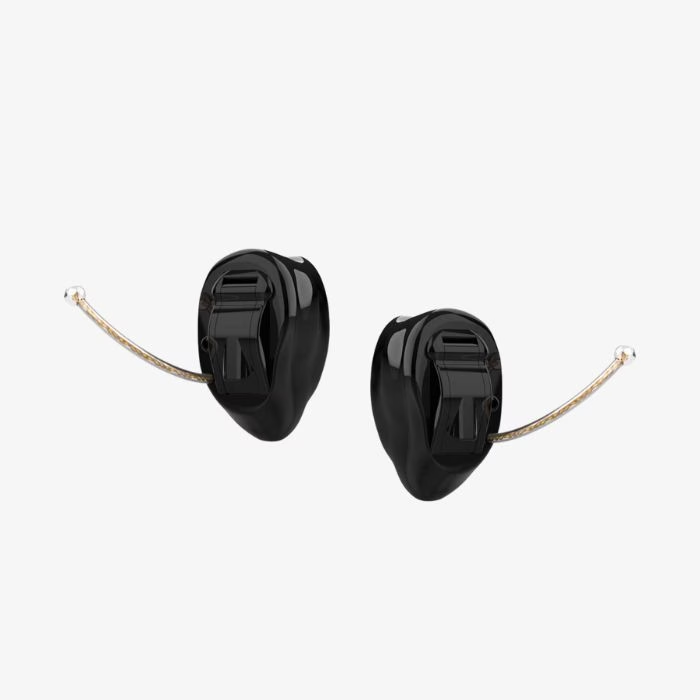
Rexton inoX CIC Hearing Aids

Last Updated on 12th May 2026 by Dane Lozano

The Rexton inoX CIC is a discreet Completely-in-Canal (CIC) hearing aid designed to provide natural sound quality, essential speech clarity, and comfortable all-day wear in a nearly invisible design. Sitting deep inside the ear canal, the inoX delivers simple, reliable hearing support without the bulk of behind-the-ear devices.

The inoX range is available in multiple technology levels, allowing users to choose the level of speech enhancement, noise reduction, and sound processing that best matches their lifestyle and listening needs.


Available Technology Levels:

inoX 80 (Premium)
inoX 60 (Advanced)
inoX 40 (Mid-Level)
inoX 30 (Lower Mid-Level)
inoX 20 (Essential)


What Is the Rexton inoX CIC?

The Rexton inoX CIC is a Completely-in-Canal hearing aid designed for users who want a discreet and simple hearing solution with natural sound quality and comfortable instant-fit wear.

Built using Rexton’s traditional sound processing technology, inoX focuses on:

  • Speech clarity in everyday conversations
  • Background noise reduction in moderate environments
  • Simple, reliable hearing performance
  • Comfortable nearly invisible design
  • Easy instant-fit use without custom moulds

The hearing aids are suitable for users with mild to moderate hearing loss and are designed for quieter to moderately social lifestyles.


Rexton inoX Technology Levels Explained

inoX 80 (Premium Tier)

Premium performance with maximum speech enhancement and advanced noise reduction for busy social environments. Click here to order!

The inoX 80 is designed for users who need the strongest possible performance in the inoX range. It delivers the best speech clarity in noise, strongest directional processing, and most advanced automatic sound adjustments available in this platform.

Best For:

  • Busy social environments
  • Restaurants and group conversations
  • Noisy public places
  • Users wanting maximum performance in a CIC design

inoX 60 (Advanced Tier)

High-performance hearing support with strong speech clarity and reliable noise reduction for active daily use. Click here to order!

The inoX 60 offers excellent everyday performance with improved speech understanding in noise compared to lower tiers, making it ideal for users with regular social interaction.

Best For:

  • Regular social environments
  • Moderate noise situations
  • Active everyday listening
  • Balanced premium performance

inoX 40 (Mid-Level Tier)

Balanced hearing performance for everyday use with good speech clarity and moderate noise reduction. Click here to order!

The inoX 40 focuses on natural sound quality and reliable daily hearing support for general environments.

Best For:

  • Home and workplace listening
  • Casual social environments
  • Everyday conversations
  • Balanced performance and comfort

inoX 30 (Lower Mid-Level Tier)

Reliable mid-entry performance with essential speech enhancement and stable sound processing. Click here to order!

The inoX 30 provides solid basic hearing support for users who mainly experience quieter or moderately active environments.

Best For:

  • Quiet to moderate environments
  • Home conversations
  • Light social use
  • Value-focused users

inoX 20 (Essential Tier)

Basic hearing support designed for quiet lifestyles and simple listening environments. Click here to order!

The inoX 20 is the most basic level in the inoX range, focusing on essential speech understanding in low-noise environments.

Best For:

  • Quiet lifestyles
  • One-to-one conversations
  • Minimal social environments
  • Entry-level hearing support

Key Features of Rexton inoX CIC

  • Ultra-discreet CIC design
  • Instant-fit soft sleeve comfort
  • Natural speech enhancement
  • Background noise reduction
  • Multiple technology levels available
  • Lightweight all-day wear

Rexton inoX Technology Comparison Table

Feature inoX 80 inoX 60 inoX 40 inoX 30 inoX 20
Technology Level Premium Advanced Mid-Level Lower Mid-Level Essential
Speech in Noise Excellent Very good Good Fair-good Basic
Noise Reduction Maximum Strong Moderate Moderate Low
Automatic Adjustments Most advanced Advanced Moderate Basic Minimal
Group Conversation Performance Excellent Very good Good Basic-good Basic
Directional Processing Premium Advanced Standard Basic Basic
Environmental Adaptation Strong Strong Moderate Basic Basic
Best For Busy social users Active users Everyday use Quiet-moderate use Quiet lifestyles

Benefits of Rexton inoX CIC Hearing Aids

Clearer everyday conversations with natural sound quality
Reduced background noise in moderate environments
Nearly invisible in-the-ear design
Comfortable instant-fit wearing experience
Flexible technology levels for different budgets
Simple and easy-to-use hearing solution


Who Is the Rexton inoX Best For?

The Rexton inoX CIC may be ideal for:

  • Users wanting invisible hearing aids
  • Mild to moderate hearing loss
  • Quiet to moderately noisy environments
  • First-time hearing aid users
  • People preferring simple hearing technology

Rexton inoX Summary

The Rexton inoX CIC is a discreet hearing aid range designed for users who want simple, comfortable, and nearly invisible hearing support. With technology levels from 20 to 80, it offers flexible performance options ranging from essential everyday hearing to advanced speech enhancement in noisier environments.

While it is an older-generation platform compared to modern Rexton Reach hearing aids, it remains a reliable choice for users prioritising discreet design and straightforward functionality.

Categories
Health & Wellness Hearing Devices

Rexton Reach R-Li Hearing Aids

Last Updated on 12th May 2026 by Dane Lozano

The Rexton Reach R-Li is a premium rechargeable receiver-in-canal (RIC) hearing aid designed to provide clearer speech understanding, intelligent noise management, and reliable all-day hearing support. Powered by Rexton’s latest Reach platform, the Reach R-Li combines AI-assisted sound processing, Bluetooth streaming, rechargeable convenience, and durable everyday performance in a discreet modern RIC design.

The Reach R-Li is available in multiple technology levels, allowing users to choose the level of speech enhancement, automatic sound adaptation, and noise reduction that best matches their lifestyle and listening needs.

Available Technology Levels:

  • Reach 80 (Premium)
  • Reach 60 (Advanced)
  • Reach 40 (Mid-Level)
  • Reach 30 (Basic)
  • Reach 20 (Essential)

What Is the Rexton Reach R-Li?

The Rexton Reach R-Li is a rechargeable receiver-in-canal hearing aid designed for users wanting strong everyday hearing performance with modern wireless connectivity and intelligent speech enhancement.

Built using technology closely related to the Signia IX platform, Reach R-Li focuses heavily on:

  • Speech clarity in noise
  • Group conversation performance
  • Reliable battery life
  • Bluetooth streaming
  • Everyday durability

The hearing aids are suitable for users with mild to severe hearing loss and are designed for both quiet and active lifestyles.


Rexton Reach Technology Levels Explained

Reach 80 (Premium Tier)

The most advanced Reach model with maximum speech enhancement, strongest noise reduction, and the highest level of automatic environmental adaptation. Click here to order!

The Reach 80 is designed for users who regularly spend time in challenging listening environments such as restaurants, social gatherings, meetings, public spaces, and busy family events. It offers the strongest speech-in-noise performance, fastest automatic adjustments, and most refined directional microphone processing in the Reach lineup.

Best For:

  • Busy active lifestyles
  • Frequent group conversations
  • Restaurants and noisy social settings
  • Users wanting maximum hearing performance

Reach 60 (Advanced Tier)

A high-performance model offering excellent speech clarity, advanced noise management, and strong everyday hearing support. Click here to order!

The Reach 60 delivers many premium features found in the Reach 80 while offering slightly reduced environmental automation and speech tracking performance. It is ideal for users who spend regular time in social settings but may not require the absolute highest level of processing.

Best For:

  • Regular social environments
  • Moderate noisy situations
  • Users wanting premium features at better value

Reach 40 (Mid-Level Tier)

A balanced hearing aid designed for reliable everyday speech clarity, natural sound quality, and moderate noise reduction. Click here to order!

The Reach 40 focuses on everyday listening situations such as home conversations, shopping, television viewing, and casual social activities. It offers solid speech enhancement and automatic adjustments while remaining more affordable than higher technology tiers.

Best For:

  • Everyday moderate listening environments
  • Home and family conversations
  • Occasional noisy settings
  • Users wanting balanced performance and value

Reach 20 (Essential Tier)

The entry-level Reach model designed for quieter lifestyles and essential hearing support. Click here to order!

The Reach 20 provides basic AI-assisted hearing support and speech clarity for users who spend most of their time in quieter environments. It offers dependable everyday hearing assistance while remaining the most affordable model in the Reach lineup.

Best For:

  • Quiet lifestyles
  • First-time hearing aid users
  • Home environments
  • Budget-conscious users

Key Features of Rexton Reach R-Li

Rechargeable Lithium-Ion Battery

The rechargeable battery system provides reliable all-day hearing support without disposable batteries.

Bluetooth Streaming

Users can stream:

  • Phone calls
  • Music
  • Television audio
  • Podcasts
  • Media

directly from compatible smartphones and devices.

Speech Preservation Technology

Rexton’s advanced processing system helps improve speech clarity while reducing distracting background sounds.

AI-Assisted Sound Processing

The Reach platform automatically adjusts hearing settings based on changing environments and conversations.

Directional Microphone System

The hearing aids help focus on speech while reducing environmental distractions in noisy situations.

Smartphone App Compatibility

Users can adjust settings, personalise listening programs, and manage streaming through the Rexton app.

Durable Everyday Design

Rexton hearing aids are designed for dependable daily wear with strong reliability and comfortable fit.


Rexton Reach R-Li Technology Comparison Table

Feature Reach 80 Reach 60 Reach 40 Reach 30 Reach 20
Technology Level Premium Advanced Mid-Level Basic Essential
Speech in Noise Excellent Very good Good Good Basic–good
Noise Reduction Maximum Strong Moderate Balanced Basic
Automatic Adjustments Most advanced Advanced Moderate Moderate-basic Basic
Group Conversation Performance Excellent Very good Good Moderate-good Moderate
Directional Processing Premium Advanced Standard Balanced Basic
Environmental Adaptation Most refined Strong Moderate Balanced Basic
Streaming Features Full Full Full Full Full
Best For Active social users Regular social users Everyday use Moderate everyday environments Quiet lifestyles

Benefits of Rexton Reach R-Li Hearing Aids

Clearer Conversations

The Reach platform helps users hear speech more naturally in both quiet and noisy environments.

Reduced Listening Effort

Automatic sound optimisation helps reduce fatigue during long conversations and busy listening situations.

Reliable Rechargeable Convenience

The rechargeable battery system eliminates the need for disposable batteries.

Strong Connectivity Features

Bluetooth streaming allows seamless connection to phones, media devices, and televisions.

Comfortable Everyday Wear

The RIC design offers a balance of discreet appearance, comfort, and strong hearing performance.

Flexible Technology Choices

Users can choose the technology level that best fits their lifestyle and hearing needs.


Who Is the Rexton Reach R-Li Best For?

The Rexton Reach R-Li may be ideal for:

  • Adults wanting rechargeable Bluetooth hearing aids
  • Users struggling with speech clarity in noise
  • People wanting strong everyday hearing support
  • Users wanting flexible technology and pricing options
  • Individuals seeking premium performance with strong value

Rexton Reach R-Li Summary

The Rexton Reach R-Li combines rechargeable convenience, Bluetooth streaming, AI-assisted sound processing, and intelligent speech enhancement in a modern receiver-in-canal hearing aid design. With four technology levels available, users can choose the level of performance that best matches their lifestyle, listening environments, and budget while enjoying reliable everyday hearing support.

Categories
Health & Wellness Hearing Devices

Signia Active Pro IX Hearing Aids

Last Updated on 11th May 2026 by Dane Lozano

The Signia Active Pro IX is Signia’s premium earbud-style hearing aid designed for users who want advanced hearing technology in a sleek and modern wearable design. Combining Signia’s Integrated Xperience platform, RealTime Conversation Enhancement technology, Bluetooth streaming, and rechargeable convenience, Active Pro IX delivers clear speech understanding and immersive sound quality while looking similar to premium wireless earbuds.

Designed for active lifestyles and social environments, the Signia Active Pro IX helps users stay connected to conversations, media, and daily life without the appearance of traditional hearing aids.

Price: From approximately 2,095.00 per aid depending on fitting package and accessories.


What Is the Signia Active Pro IX?

The Signia Active Pro IX is a rechargeable hearing aid designed in an earbud-style form factor. Unlike traditional hearing aids, it is styled to resemble consumer wireless earbuds while still delivering advanced hearing support and speech enhancement technology.

Powered by Signia’s Integrated Xperience (IX) platform, Active Pro IX uses RealTime Conversation Enhancement to help users follow multiple speakers in noisy group conversations more effectively.

It is designed for users who prioritise:

  • Discreet modern appearance
  • Bluetooth streaming
  • Rechargeable convenience
  • Strong speech clarity in noise
  • Lifestyle-focused hearing technology

Key Features of Signia Active Pro IX

RealTime Conversation Enhancement

Signia’s Integrated Xperience platform analyses conversations in real time to improve speech understanding while preserving awareness of surrounding sounds.

Earbud-Style Design

The Active Pro IX is designed to resemble premium wireless earbuds rather than traditional hearing aids, making it ideal for style-conscious users.

Premium Speech Clarity in Noise

The hearing aids continuously track and enhance speech from multiple speakers in busy environments such as restaurants, meetings, and social gatherings.

Bluetooth Streaming

Users can stream:

  • Phone calls
  • Music
  • Television audio
  • Podcasts
  • Media

directly from compatible smartphones and devices.

Rechargeable Charging Case

The portable charging case provides convenient on-the-go charging with reliable all-day battery performance.

Own Voice Processing

Signia’s Own Voice Processing technology helps the wearer’s own voice sound more natural and comfortable during conversations.

Signia Assistant AI Support

The Signia Assistant uses AI-based learning to help personalise hearing settings and improve the listening experience over time.

Smartphone App Compatibility

Users can adjust settings, personalise programs, control streaming, and access remote support through the Signia app.


Benefits of Signia Active Pro IX Hearing Aids

Stylish Modern Appearance

Many users choose Active Pro IX because it resembles wireless earbuds instead of traditional hearing aids.

Improved Group Conversation Performance

RealTime Conversation Enhancement helps users hear multiple speakers more clearly in noisy environments.

Reduced Listening Fatigue

Automatic sound adjustments and speech enhancement help reduce mental strain during long conversations.

Excellent Streaming Experience

Bluetooth connectivity allows seamless streaming for calls, music, and entertainment.

Comfortable Everyday Wear

The ergonomic earbud-style design provides comfortable and secure daily wear.

Rechargeable Convenience

The portable charging case eliminates the need for disposable batteries while supporting reliable daily use.


Real User Feedback

Many users praise the Signia Active Pro IX for combining hearing aid functionality with the appearance of modern wireless earbuds. Users often report strong streaming quality, improved speech clarity in social situations, and comfortable wear throughout the day.

Some users mention that the earbud-style design may feel slightly larger than ultra-discreet CIC hearing aids, but many appreciate the balance between appearance, technology, and connectivity.


Who Is the Signia Active Pro IX Best For?

The Signia Active Pro IX may be ideal for:

  • Users wanting hearing aids that resemble wireless earbuds
  • Adults with active social lifestyles
  • People struggling with speech clarity in noisy environments
  • Users wanting rechargeable Bluetooth hearing aids
  • Individuals prioritising streaming and connectivity features

Signia Active Pro IX Summary

The Signia Active Pro IX combines advanced speech enhancement, AI-powered conversation tracking, Bluetooth streaming, and rechargeable convenience in a stylish earbud-inspired design. Powered by Signia’s Integrated Xperience platform, it offers premium hearing performance for users who want clearer conversations, modern connectivity, and a more discreet alternative to traditional hearing aids.

Categories
Health & Wellness Hearing Devices

Oticon Intent 3 RIC / BTE

Last Updated on 8th May 2026 by Dane Lozano

The Oticon Intent 3 is a mid-tier model in the Oticon Intent hearing aid range, designed to deliver strong everyday speech clarity, natural sound awareness, and personalised AI-assisted hearing support. Using Oticon’s advanced 4D Sensor technology and BrainHearing philosophy, Intent 3 adapts automatically to the user’s movements, listening focus, and sound environment to provide a more comfortable and natural hearing experience.

Designed for users who want modern hearing technology with excellent daily performance, Intent 3 combines intelligent sound processing, rechargeable convenience, Bluetooth streaming, and automatic environmental adaptation in a discreet miniRITE design.

Price: From approximately 1,595.00 per aid depending on fitting package and accessories.


What Is the Oticon Intent 3?

The Oticon Intent 3 is the third technology level in the Oticon Intent family. It uses AI-powered sound processing and 4D Sensor technology to monitor:

  • Head movement
  • Body movement
  • Conversation activity
  • Environmental sound conditions

This allows the hearing aids to automatically optimise hearing support based on the wearer’s surroundings and listening focus throughout the day.

Intent 3 is designed to provide reliable speech clarity and listening comfort in everyday environments such as home settings, shops, workplaces, cafés, and small social gatherings.


Key Features of Oticon Intent 3

4D Sensor Technology

Oticon Intent 3 uses intelligent sensors to monitor user movement and sound environments, helping optimise speech understanding and listening comfort automatically.

BrainHearing Technology

Oticon’s BrainHearing platform supports natural sound processing to help reduce listening effort and maintain environmental awareness.

AI Sound Processing

Intent 3 uses deep neural network processing trained on real-world sounds to improve speech clarity while maintaining balanced sound quality.

Everyday Speech Enhancement

The Intent 3 level provides reliable speech enhancement and noise management for quiet to moderately noisy environments.

Rechargeable miniRITE Design

The lightweight rechargeable miniRITE design offers discreet appearance, comfortable daily wear, and dependable battery performance.

Bluetooth LE Audio & Auracast

Users can stream calls, music, television audio, and media directly from compatible devices with support for next-generation Auracast technology.

Hands-Free Calling

Compatible smartphones support hands-free phone calls directly through the hearing aids.

Oticon Companion App

The Oticon Companion app allows users to adjust settings, personalise sound programs, and manage hearing aid controls conveniently.


Benefits of Oticon Intent 3 Hearing Aids

Improved Everyday Conversations

Intent 3 helps users hear speech more clearly in daily listening situations including family conversations, work meetings, and public spaces.

Intelligent Automatic Adjustments

The 4D Sensor system adapts hearing support automatically as environments and conversations change throughout the day.

Reduced Listening Effort

BrainHearing technology helps deliver sound more naturally to reduce mental fatigue during longer conversations.

Natural Sound Awareness

Intent 3 balances speech and surrounding sounds to avoid an overly isolated or artificial listening experience.

Reliable Streaming & Connectivity

Bluetooth LE Audio and Auracast provide modern streaming support for calls, media, and wireless audio broadcasting.

Comfortable Daily Wear

The discreet miniRITE design supports comfortable long-term use for active everyday lifestyles.


Real User Feedback

Many users praise Oticon Intent hearing aids for their smooth sound quality and automatic environmental adjustments. Some users report that Intent 3 provides strong performance for daily listening needs while remaining more affordable than the higher-tier Intent 1 and Intent 2 models.

Users often appreciate the balance between speech clarity, environmental awareness, and rechargeable convenience, especially for moderate listening demands.


Who Is the Oticon Intent 3 Best For?

Oticon Intent 3 may be ideal for:

  • Users wanting advanced hearing technology at a more accessible price
  • Adults spending most time in quiet to moderately noisy environments
  • People wanting rechargeable Bluetooth hearing aids
  • Users prioritising natural sound quality and everyday speech clarity
  • Individuals wanting AI-powered hearing support for daily life

Oticon Intent 3 Summary

The Oticon Intent 3 combines AI sound processing, intelligent 4D Sensor technology, and BrainHearing support to deliver reliable everyday hearing performance with natural sound quality and strong speech understanding. Designed for users who want modern hearing technology with balanced features and value, Intent 3 offers excellent daily listening support in a discreet rechargeable design.

Categories
Health & Wellness Hearing Devices

Oticon Intent 1 RIC / BTE

Last Updated on 8th May 2026 by Dane Lozano

The Oticon Intent 1 is the flagship premium technology level in the Oticon Intent hearing aid range, designed to deliver Oticon’s highest level of speech clarity, environmental awareness, and intelligent hearing support. Built around groundbreaking 4D Sensor technology and Oticon’s BrainHearing philosophy, Intent 1 continuously adapts to the user’s movements, conversations, and surroundings to provide a more personalised and natural listening experience.

Designed for users who regularly spend time in challenging listening environments, Oticon Intent 1 combines advanced AI-driven sound processing, rechargeable convenience, Bluetooth streaming, and real-time environmental adaptation in a discreet miniRITE design.

Price: From approximately 1,995.00 per aid depending on fitting package and accessories.


What Is the Oticon Intent 1?

The Oticon Intent 1 is the highest-performing model in the Oticon Intent family. It uses second-generation AI sound processing and 4D Sensor technology to analyse:

  • Head movement
  • Body movement
  • Conversation activity
  • Environmental sound conditions

This allows the hearing aids to automatically understand what the wearer wants to focus on and optimise hearing support accordingly.

Intent 1 is designed to provide the best possible performance in noisy environments such as restaurants, meetings, public spaces, and social gatherings while still preserving natural environmental awareness.


Key Features of Oticon Intent 1

4D Sensor Technology

Oticon Intent 1 continuously tracks movement and listening behaviour to personalise hearing support in real time for clearer speech understanding.

BrainHearing Technology

Oticon’s BrainHearing approach supports how the brain naturally interprets sound, helping reduce listening effort and improve overall comfort.

Premium AI Sound Processing

Intent 1 uses deep neural network processing trained on millions of sounds to improve speech clarity while maintaining realistic sound quality.

Maximum Speech Clarity in Noise

The premium Intent 1 level offers Oticon’s strongest speech enhancement and environmental balancing performance for difficult listening situations.

Rechargeable miniRITE Design

The discreet rechargeable miniRITE design provides comfortable all-day wear with reliable battery performance.

Bluetooth LE Audio & Auracast

Users can stream calls, music, television audio, and media directly from compatible devices while also supporting next-generation Auracast public broadcast audio.

Hands-Free Calling

Compatible smartphones support hands-free calling directly through the hearing aids for added convenience.

Oticon Companion App

The Oticon Companion app allows users to personalise programs, adjust settings, and access remote support features.


Benefits of Oticon Intent 1 Hearing Aids

Best Speech Understanding in the Intent Range

Intent 1 delivers the strongest speech clarity performance in noisy and complex environments.

Personalised Hearing Support

The 4D Sensor system adapts automatically based on what the user is trying to listen to in real-world situations.

Reduced Listening Fatigue

BrainHearing technology helps reduce mental strain by presenting sound in a more natural and balanced way.

Natural Environmental Awareness

Intent 1 balances conversations with surrounding sounds to avoid an overly artificial listening experience.

Seamless Streaming & Connectivity

Bluetooth LE Audio and Auracast provide strong connectivity for streaming calls, music, and public audio systems.

Comfortable Everyday Wear

The lightweight miniRITE design supports discreet and comfortable long-term use.


Real User Feedback

Many users praise Oticon Intent hearing aids for their natural sound quality, environmental awareness, and smooth automatic adjustments compared to older hearing aid platforms.

Some users report that the premium Intent 1 technology performs especially well in restaurants and group conversations where speech understanding is typically more difficult. Others appreciate the strong Bluetooth streaming quality and rechargeable convenience.

A few users note that fine-tuning with an audiologist may be needed to fully personalise the advanced AI processing for individual listening preferences.


Who Is the Oticon Intent 1 Best For?

Oticon Intent 1 may be ideal for:

  • Users frequently in noisy environments
  • Adults wanting Oticon’s highest premium technology level
  • People struggling with speech clarity in group conversations
  • Users wanting rechargeable Bluetooth hearing aids
  • Individuals prioritising natural sound and environmental awareness

Oticon Intent 1 Summary

The Oticon Intent 1 combines premium AI sound processing, revolutionary 4D Sensor technology, and BrainHearing support to deliver Oticon’s most advanced personalised hearing experience. Designed for users who want the highest level of speech clarity, intelligent environmental adaptation, and natural sound quality, Intent 1 offers premium performance for active modern lifestyles.

Categories
Hearing Devices Science & Technology

Starkey Omega AI 20 CIC

Last Updated on 7th May 2026 by Dane Lozano

The Starkey Omega AI 20 CIC is designed for people who want advanced hearing technology in a discreet and comfortable custom-fit hearing aid. This Completely-In-Canal (CIC) model combines intelligent sound processing, background noise reduction, and clear speech enhancement in a nearly invisible design that fits comfortably inside the ear canal.

What Is the Starkey Omega AI 20 CIC?

The Starkey Omega AI 20 CIC is a custom-made hearing aid powered by Starkey’s Omega AI platform. Designed to improve hearing clarity in everyday environments, it automatically adjusts to changing sound conditions using artificial intelligence technology.

Its compact CIC design makes it an ideal choice for users looking for a discreet hearing solution without sacrificing performance.

Key Features of Starkey Omega AI 20 CIC

Advanced AI Sound Processing

The Omega AI 20 CIC continuously analyses your surroundings and adjusts sound settings automatically to improve speech understanding while reducing background distractions.

Speech Enhancement Technology

The hearing aid helps focus on conversations in noisy places such as restaurants, shops, family gatherings, and busy public areas.

Background Noise Reduction

Starkey’s intelligent processing system reduces unwanted environmental sounds to make listening more comfortable throughout the day.

Discreet Completely-In-Canal Design

The CIC style fits deep inside the ear canal, making the hearing aid difficult to notice while still providing excellent sound quality.

Custom-Fit Comfort

Each device is individually moulded to the shape of the wearer’s ears for improved comfort, stability, and sound performance.

Smartphone App Compatibility

Users can control settings, adjust volume, change listening programs, and access remote support through the My Starkey app.

Edge Mode+ Technology

Edge Mode+ provides additional sound optimisation in difficult listening situations to help users hear conversations more clearly when background noise increases.

Reliable Everyday Performance

The Omega AI 20 CIC offers strong performance for daily listening situations while balancing advanced features with affordability compared to higher technology tiers.

Benefits of Starkey Omega AI 20 CIC Hearing Aids

Clearer Conversations

The AI-powered processing helps users hear speech more naturally in both quiet and noisy environments.

Reduced Listening Effort

By automatically managing background noise, the hearing aid helps reduce listening fatigue during long conversations or busy days.

Nearly Invisible Appearance

Many users choose CIC hearing aids because they offer one of the most discreet hearing aid styles available.

Comfortable All-Day Wear

The custom-fit design allows the hearing aids to sit comfortably inside the ear canal for extended daily use.

Improved Confidence in Social Settings

Better hearing clarity can help users feel more confident during conversations, meetings, and social events.

Easy Personalisation

Through the My Starkey app, wearers can quickly personalise their listening experience without needing frequent in-office adjustments.

Who Is the Starkey Omega AI 20 CIC Best For?

The Starkey Omega AI 20 CIC may be suitable for:

  • Adults wanting discreet hearing aids
  • People with mild to severe hearing loss
  • Users who struggle with speech clarity in noise
  • Wearers seeking advanced AI hearing technology
  • Individuals wanting custom-fit hearing aids with smartphone controls

Starkey Omega AI 20 CIC Summary

The Starkey Omega AI 20 CIC combines discreet styling, intelligent sound processing, and custom comfort in a compact hearing aid solution. With AI-powered speech enhancement, background noise reduction, and smartphone compatibility, it offers a strong balance of performance and convenience for everyday hearing needs.

Categories
Hearing Devices Science & Technology

Starkey Omega AI 24 CIC

Last Updated on 7th May 2026 by Dane Lozano

Starkey Omega AI 24 CIC Hearing Aids

The Starkey Omega AI 24 CIC is designed for people who want premium hearing technology in a discreet, custom-fit device. Sitting comfortably inside the ear canal, this Completely-In-Canal (CIC) hearing aid combines advanced AI-driven sound processing with a nearly invisible design for all-day confidence and clearer hearing in challenging environments.

What Is the Starkey Omega AI 24 CIC?

The Starkey Omega AI 24 CIC is a custom-molded hearing aid powered by Starkey’s latest artificial intelligence platform and G3 Neuro Processor technology. It uses an always-on Deep Neural Network (DNN) to improve speech clarity while reducing unwanted background noise in real time.

Unlike larger hearing aids, the CIC style fits deeper inside the ear canal, making it one of the most discreet hearing aid options available.

Key Features of Starkey Omega AI 24 CIC

Advanced AI Sound Processing

The Omega AI 24 CIC continuously analyzes your listening environment and automatically adjusts settings to help you hear conversations more clearly. Starkey’s AI technology is designed to mimic the brain’s auditory cortex for more natural sound processing.

Deep Neural Network (DNN) Technology

The built-in DNN system helps separate speech from noise in busy places such as restaurants, cafes, family gatherings, and shopping centres. This reduces listening fatigue and improves speech understanding throughout the day.

Discreet CIC Design

The Completely-In-Canal design makes the hearing aid highly discreet and comfortable for many users. Because it sits inside the ear canal, it is less noticeable than traditional behind-the-ear hearing aids.

Custom-Fit Comfort

Each Omega AI 24 CIC hearing aid is custom-made from impressions of your ears for a secure and personalised fit. This helps improve comfort, sound quality, and retention.

Wireless Connectivity

The device supports wireless features and compatibility with Starkey accessories, including remote microphones and TV streamers.

My Starkey App Compatibility

Users can control volume, adjust programs, locate misplaced hearing aids, and access remote support through the My Starkey app.

Edge Mode+ Optimisation

Starkey’s Edge Mode+ uses AI to optimize hearing performance in difficult listening environments with a simple activation. This feature helps improve speech understanding when background noise becomes challenging.

Multiple Technology Levels

The Omega AI CIC is available in several technology tiers, including 24, 20, and 16. The 24 level provides the most advanced speech enhancement and noise management features.

Benefits of Starkey Omega AI 24 CIC Hearing Aids

Better Speech Clarity in Noise

One of the biggest benefits of the Omega AI 24 CIC is improved conversation understanding in noisy settings. The AI processing works continuously to reduce distractions and focus on speech. Starkey reports improved speech identification compared to previous generations.

Reduced Listening Fatigue

Listening effort can become exhausting for people with hearing loss. The Omega AI platform is designed to reduce strain and make listening feel more natural throughout the day.

More Natural Hearing Experience

The custom CIC design uses the ear’s natural shape to help deliver a more realistic listening experience while maintaining discreet visibility.

Increased Confidence in Social Situations

Many wearers prefer CIC hearing aids because they are difficult to notice. This can help users feel more comfortable in work, social, and family environments.

Convenient Smartphone Control

The My Starkey app gives users more control without needing to visit the clinic for every adjustment. Remote support features can also make follow-up care easier.

Suitable for Active Lifestyles

The compact design and advanced processing make the Omega AI 24 CIC a strong option for people who want discreet hearing support while staying active and socially engaged.

Real-World User Feedback

Some users report excellent speech clarity and strong noise reduction performance, especially in conversations. Others note that the AI processing can initially feel aggressive until settings are adjusted by an audiologist. Many users recommend working closely with a hearing care professional to personalise the programming for the most natural experience.

Who Is the Starkey Omega AI 24 CIC Best For?

The Starkey Omega AI 24 CIC may be ideal for:

  • Adults seeking discreet hearing aids
  • People with mild to severe hearing loss
  • Users who frequently struggle in noisy environments
  • Those wanting advanced AI hearing technology
  • Wearers looking for smartphone app control and wireless accessories

Starkey Omega AI 24 CIC Summary

The Starkey Omega AI 24 CIC combines discreet styling with advanced AI-driven hearing technology. With features such as Deep Neural Network processing, speech enhancement, Edge Mode+, and app connectivity, it is designed to deliver clearer conversations and reduced listening fatigue in everyday life.

For users who want premium custom hearing aids with advanced noise management and a nearly invisible appearance, the Omega AI 24 CIC is one of Starkey’s most advanced solutions available today.